
On-Page SEO vs Technical SEO: What is the Difference?
On-page SEO vs technical SEO is the most searched question when someone is building a website. On-page SEO refers to optimising visible content on your website, while technical SEO refers to optimising the backend infrastructure of your website. Both types of SEO are important and interdependent. On-page SEO helps to rank the website, and technical SEO ensures your site can be found.
On-page SEO vs. technical SEO: both are important, and you need to understand what to fix first when your rankings are dropping. Learn about both types of SEO and understand how you can fully optimise your website.
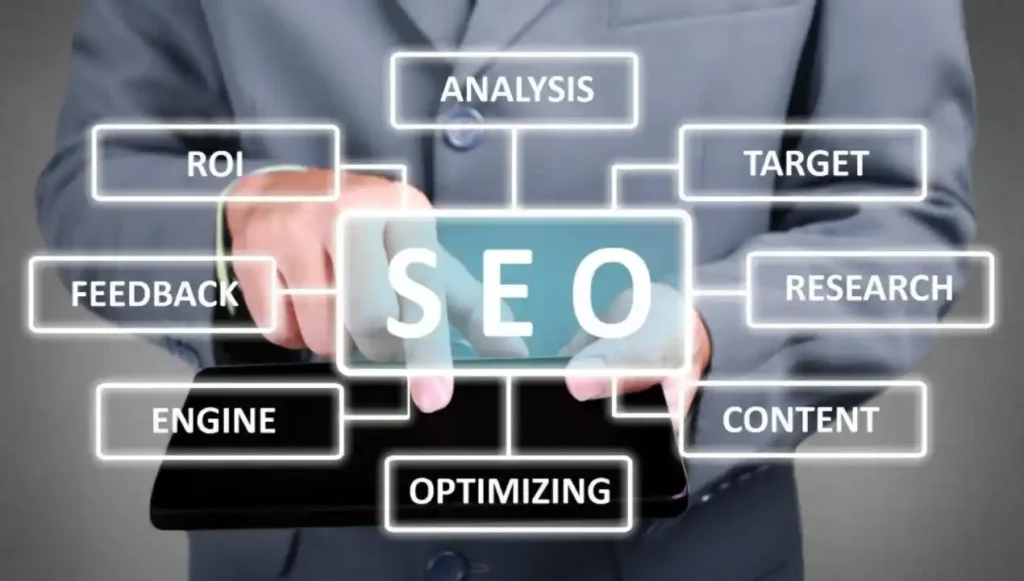
On-Page SEO vs Technical SEO: How do they work together?
You cannot do on-page SEO without technical SEO. If your technical SEO is broken, even the best on-page SEO will not work. Similarly, if your technical SEO is good but your on-page SEO is broken, Google will have nothing to rank. Both types of SEO work side by side.
A common mistake is treating them like a sequence and not a parallel block. Some businesses write 50 blogs even before fixing canonical tag errors. This is not a good approach. Work on on-page as well as technical SEO to get good rankings and traffic.
What Is On-Page SEO?
On-page is practically optimising the content present on your website, including HTML and individual web page elements such as title tags, headings, copy, images, and internal links. On-page SEO deals with everything that a user and a search engine will interact with directly on the page.
The Core Elements of On-Page SEO
On-page SEO core elements include the following:
Title tag: It should be under 60 characters. It must contain the primary keyword. It tells the user and search engine directly what you’re talking about.
Meta description: It is a descriptive summary. The optimal length should be between 150 and 160 characters. It increases the click-through rate.
Heading hierarchy: H1 is the main heading of your page, and it directly tells what your content is about. H2 and H3 structure the page content so it can be readable and have semantic clarity.
Body content: it contains the content that fully answers according to the user’s intent. Content should have a credible source and be technically perfect. Use natural keyword placement in content.
Image optimisation: every image must have keyword-relevant alt text and a meaningful file name. It should be compressed to reduce file size without compromising the quality of the image.
Internal linking: link the related pages to your content. Internal linking distributes page authority across your site and aids crawlability.
URL slug: This should be short, descriptive, and keyword-rich. This makes it both user-friendly and SEO-friendly.
Schema Markup: Structured data (JSON-LD schema) annotates your content so search engines can categorise and display it in rich results, FAQ boxes, review stars, How-To snippets, and article cards. This is also a bridge between on-page SEO and AEO (more on that later).
Use the on-page SEO checklist to make sure every core element of your on-page SEO is well optimised.
How On-Page SEO Affects Rankings and User Experience
On-page SEO vs technical SEO is a big comparison because on-page SEO directly influences two things: first, how search engines interpret your content; and second, how users engage with your content. Your keyword placement is a relevance signal for the crawlers. A strategic placement of keywords in title tags, headings, and the first 100 words can increase your crawlability. Meanwhile, the clear structure of your content reduces bounce rate and increases user engagement.
On-page SEO is the primary level for targeting the user intent. A page with no technical flaws will still fail to rank if it does not fulfil the user intent. One of the most important ranking factors is how well your content matches the user intent.

What Is Technical SEO?
Technical SEO is optimising the website infrastructure. It is a non-visible backend system that determines whether a search engine can discover and crawl your website or not. It can be invisible to the user, but it is largely foundational to everything else. Ensuring SEO and technical SEO make your content discoverable.
The Core Elements of Technical SEO
Technical SEO core elements include the following:
Page speed and core web vitals: Page speed on desktop as well as on mobile, and core web vitals such as LCP, INP, and CLS are important factors for rankings. These are part of Google’s page experience signal, and poor signals can hurt your rankings.
Crawlability: For every page you want to get indexed and crawled, make sure search engine bots can reach those pages. Crawling issues can make a significant proportion of your website invisible.
Indexability: if Google can crawl your website, it must be able to index it, too. Duplicate content, canonical tags, and non-index tags can affect your pages’ indexability.
Mobile-Friendliness: Google uses the mobile version of your content for ranking and indexing. A site that breaks on mobile, no matter how well it works on desktop, will be severely affected in being indexed by Google.
HTTPS Security: Google flags HTTP websites as “not secure”. If your site is still on HTTP, this is your biggest technical fix. HTTPS is widely regarded as a baseline requirement of your website to rank on Google.
Structured Data: Schema markup structures the content of your website. Structured data can increase CTR even without ranking improvement.
XML Site Map:
These sitemaps are the roadmap to search engines. Regular technical SEO audits ensure that only indexable URLs are included. Those who redirect should be removed immediately.
Use a technical SEO checklist to make sure every core element of your technical SEO is well optimised.

On-Page SEO vs Technical SEO: A Side-by-Side Comparison
The table shows on-page SEO vs technical SEO side by side across different factors that matter the most:
| On-Page SEO | Technical SEO |
| Deals with visible content & HTML | Deals with infrastructure & backend code |
| Optimises for user intent & relevance | Optimises for crawlability & indexability |
| Done by content writers & SEO specialists | Done by developers & technical SEO specialists |
| Affects: title tags, headings, copy, images | Affects: site speed, sitemaps, schema, HTTPS |
| Addresses: “Does this page deserve to rank?” | Addresses: “Can this page be found and indexed?” |
| Tools: Surfer SEO, Yoast, Clearscope | Tools: Screaming Frog, Search Console, Ahrefs Audit |
| Impact timeline: weeks to months | Impact timeline: days to weeks (once re-crawled) |
| Works at: page level | Works at a site-wide level |
The Decision Framework: What Should You Prioritise?
The biggest question in on-page SEO vs technical SEO is simply: what should you fix first?
| Situation | Prioritise This First |
| New website with no content | Technical SEO lays the foundation before building content |
| Traffic dropped suddenly | A technical SEO audit looks for crawl issues, Core Web Vitals failures, |
| Ranking on pages 2-3 but not on page 1 | On-Page SEO improves content depth, intent alignment, and internal links |
| Content not getting indexed | Technical SEO: check robots.txt, noindex tags, XML sitemap |
| High bounce rate on ranking pages | On-Page SEO improves content quality, structure, and page experience |
| Targeting featured snippets / AI Overviews | Both structured data (technical) and direct answer format (on-page) |
| Entering a new content category | On-page SEO: keyword research, intent mapping, content planning |
| Site speed below Core Web Vitals thresholds | Technical SEO: Page speed is a direct ranking signal |

The AEO Dimension: Optimising for AI Answer Engines
AI overviews have changed the search trends, so businesses are considering AEO vs SEO. They cite the useful data in AI overviews, and the organic click-through rate has dropped. If your content is not optimised according to the AI extraction, your content will remain invisible, and you will fail to rank. Understanding on-page SEO vs technical SEO has become more important because AI overviews have changed how search results appear.
Technical SEO’s Role in AEO
- Schema markup is important for AI visibility. It is a structured map of your content, and it increases your AI citations.
- An AI system relies on crawlability and indexation. If your page is not crawlable and indexable, AI cannot cite it.
- Fast and stable page builds trust and reliability, and AI cites content on the basis of authenticity and trust level.
On-Page SEO’s Role in AEO
- Providing direct, concise answers makes content citable for the AI overviews.
- Using FAQ-style headings that give precise answers to the controversial queries.
- Citing the genuine sources and demonstrating expertise (E-E-A-T) increases the probability of AI citations.
SEO and AEO Together
This is the strongest and most modern strategy to make a unified structure for SEO and AEO; fulfilling SEO merits and ignoring AEO can drastically reduce your traffic. This is how they both work together.
- Technical SEO creates a foundation for your page
- On-page SEO creates relevance
- Aeo amplifies both by ensuring the data is citable.
Tools: On-page SEO vs Technical SEO
The tools that you use for on-page SEO vs technical SEO are different, but several platforms can work for both. Below is a table for SEO tools:
| Tool | Type | Primary use |
| Google Search Console | Both | Crawl errors, Core Web Vitals, index coverage, keyword performance |
| Screaming Frog | Technical | A full site crawl finds broken links, duplicate content, and redirect chains |
| Ahrefs | Both | Technical health scoring and issue prioritisation across the whole siteContent analysis, link analysis |
| Semrush | Both | Technical issues, on-page scoring, and content ideas in one platform |
| Surfer SEO | On-page | Content scoring, NLP optimisation, SERP analysis against top-ranking pages |
| Yoast / RankMath | On-page | Real-time on-page analysis, schema generation, readability checks (WordPress) |
| Clearscope / MarketMuse | On-page | AI-powered content optimisation and topic gap analysis vs. top competitors |
| Google PageSpeed Insights | Technical | Core Web Vitals measurement and specific speed issue diagnostics (free) |
| Schema Markup Validator | Technical | Validates structured data and checks rich result eligibility (free, via Google) |

Common Mistakes When Applying Each Strategy
Most on-page SEO vs technical SEO mistakes arise due to treating them as separate, unrelated systems. Some on-page SEO vs technical SEO mistakes are described below:
On-Page SEO Mistakes
Keyword stuffing instead of keyword intent: Overly repeating a keyword does not mean creating relevance; it is considered stuffing. Modern algorithms understand semantic context and read it as spam.
Ignoring content freshness: if your content was published long ago and you haven’t updated it, your ranking is going to drop. Regular content audits are non-negotiable, and you must add fresh and more relevant content to outdo your competitors.
Missing internal links: if you add more and more data to your website without linking it to the existing content, this approach will weaken your crawl architecture and topical authority signal.
Technical SEO Mistakes
Ignoring technical audits: new plugins, developer changes or site migrations can introduce technical errors to your website. ‘Set it and forget it’ does not work for technical SEO. You need to audit quarterly.
Canonical tag confusion. Setting a canonical to the wrong URL, using canonical and noindex on the same page inconsistently, or forgetting to canonicalise paginated content are among the most common and most damaging technical errors.
Over-redirecting. Redirect chains and loops slow down page load, waste crawl budget, and dilute link equity. Every redirect hop costs time to collapse chains to direct 301s.