
How Long Does SEO Take to Work? What to Expect, Month by Month
Six months of SEO work can change your Google rankings, but will it change your sales? SEO typically takes 3 to 6 months to produce initial measurable results, while significant traffic, leads, and revenue growth often take 6 to 12 months. The actual timeline depends on your website’s condition, competition, and the quality of ongoing work. Knowing How Long SEO Take to Show Results helps you recognise progress before enquiries start coming in.
| Want a specialist to estimate your timeline? Book our free strategy session for an honest prediction of your site. |
How Long Does SEO Take to Show Results? SEO Timeline
SEO follows a consistent pattern, even though the specific timing can differ from one site to another. Here are the common occurrences for each stage and what you should witness before traffic grows.
| Stage | Main focus | Expected results |
| Weeks 1 to 4 | Audit, fixes, keyword plan | Errors fixed, pages mapped |
| Months 2 to 3 | Content, on-page SEO, links | Pages indexed, impressions up |
| Months 3 to 6 | Content and authority | Rankings, traffic, first leads |
| Months 6 to 12 | Scaling SEO efforts | More traffic and enquiries |
Weeks 1 to 4: Audit, Technical Fixes and First Crawls
The first month is about foundations rather than traffic. Search engines start crawling your technical fixes and updated pages, but major traffic shifts are rare at this point. A strong start gives you a clear priority list and a plan you can trust.
Work in this stage usually includes:
- Technical assessment of crawling, loading speed, and indexing
- Analyzing keywords and search intent
- Quick fixes of site titles, metadata, and dead internal links
- A content proposal based on your most profitable site services
Not sure what your audit would find?
Our SEO audit services show exactly what is holding your rankings back.
Months 2 to 3: Indexing and Early Keyword Movement
Visible progress begins here, even though leads may not have changed yet. New and updated pages get indexed, and low-competition or long-tail keywords start to appear in results. Treat these early signs as proof that Google has started testing your pages.
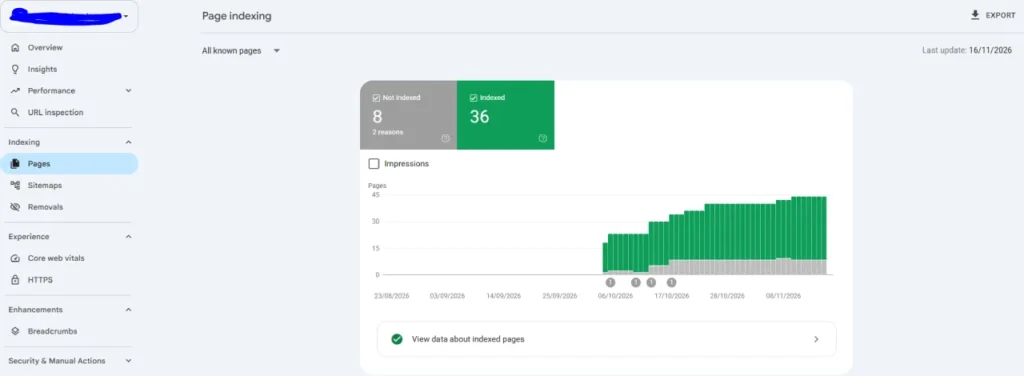
- Increased number of indexed pages available in Google Search Console
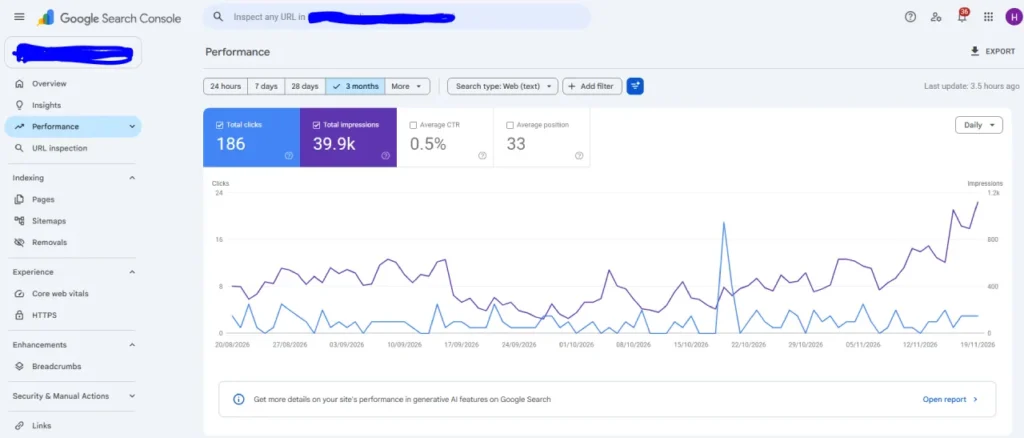
- Growing number of impressions for local searches and long-tail phrases
- Some keywords moving from ground zero to the top 100 keywords
- More evident patterns of which pages react in the best way to the changes
Struggling to publish pages that rank?
Our SEO content writing services build every page around real search intent.
Months 3 to 6: Rankings and Organic Traffic Growth
Noticeable gains usually arrive between months three and six. Rankings increase on the pages with the most focused work, and organic traffic starts producing the first genuine enquiries.
Signs at this stage include
- Audience keywords advancing from the third page to the first page
- Organic traffic increasing on service pages and complementary blogs
- Calls, forms and inquiries being generated from organic search
- Local listings ranking quickly
Months 6 to 12: Compounding Growth and Stronger Leads
This is where SEO starts to behave like an asset instead of an expense. Older pages keep gaining visibility, new pages rank faster, and competitive keywords come within reach. Businesses in crowded niches often need the full 12 months, or longer, before backlinks and content depth pay off.
What compounding growth looks like:
- Traffic gains that are based on previous efforts instead of starting from scratch.
- Long-tail keywords that were not previously targeted are gaining importance in ranking.
- Reporting that connects rankings to inquiries and revenue.
Why Does SEO Take So Long to Show Results?
Google needs evidence before it rewards a page, and that evidence takes time to collect. Three steps explain the wait.
Crawling, Indexing and Reassessment
Before a page can rank, it must be crawled and indexed by Google, which will assign it a position. Even sites that contain updated content will have to wait while Google revisits its pages, which may take a few days. On the other hand, poorly connected or low-quality sites have to wait even longer.
| What happens | Why it delays results |
| Crawl frequency | Depends on how much Google trusts your site |
| New pages | Can sit unindexed for days or weeks |
| Changes to existing pages | Need reassessing before rankings shift |
Competitors Keep Improving While You Work
Rankings are not a fixed race. A page that was good enough last year may fall short today.
| Pressure | What it means for you |
| Stronger sites | Can hold top positions for years |
| Your target | You must beat the page ranking now |
| Search results | Shift as customer behaviour changes |
Trust Builds Through Repeated Signals
Google examines whether a website is beneficial as well as trustworthy. It requires a single update to the page to make things easier. However, real success comes from continuous indicators.
| Signal | What Google looks for |
| Search intent | Content matching search intent |
| Brand strength | Growing brand searches and mentions |
| Visitor behaviour | Visitors staying and taking action |
What Determines How Long SEO Takes to Work?
Two businesses can start SEO on the same day and see very different results. Six factors shape that gap, and you control more of them than you might expect.
1. Website Age and Domain Authority
Established domains with a solid backlink profile usually move faster than brand-new sites. A new domain earns its place in the internet world through developing trust signals for the first few months. Older domains have pages that are already indexed. However, age does not mean anything when a domain needs to be cleaned before growth begins.
2. Keyword Competition and Search Intent
Ranking for a broader term can take one year or more. But it is easier for long-tail and local phrases to rank well, as they can start moving in the SERPs in weeks or months. Search results pages with content that reflects the intent of searchers gain trust more easily.
| Want to rank faster in your area? Our local SEO services target the map results that bring nearby customers. |
3. Technical Health and Crawlability
Delays in everything else occur due to crawl errors, slow server responses, and indexing impediments. The search engines will work faster in processing updates if there is a good crawl route, working XML sitemap, and good Core Web Vitals. Check for any accidental noindex commands because they keep important pages hidden from search engines.
Technical faults can stall every other fix. Our on-page SEO services clean up titles, structure, and internal links fast.
4. Content Quality and Topical Depth
Relevant and directly responsive content to a user’s intent earns confidence more quickly. Pages that lack content may take longer, if they rank at all. Each page must address one specific intent, and related blog posts must point back to the main service pages.
5. Backlinks and Brand Signals
Relevant links, quality reviews, and brand references show Google that customers accept your company. Authority building is a long process, and improper links not only do not help your image but can harm it. Fewer links are not as important as their quality.
| Authority takes more than great content. Our link building services earn relevant backlinks that Google actually trusts. |
6. Speed of Implementation
A good plan works when the recommended changes actually go live. Slow approvals, delayed developer time, and irregular publishing all stretch the timeline. Agree on owners and deadlines for every fix in week one, then publish steadily and review progress monthly.
How to Know If SEO Is Working Before Leads Increase
Leads take time to increase. These early indicators show whether SEO is working.
| SEO Indicator | What to Check |
| Indexing and Crawling | More pages indexed, fewer errors |
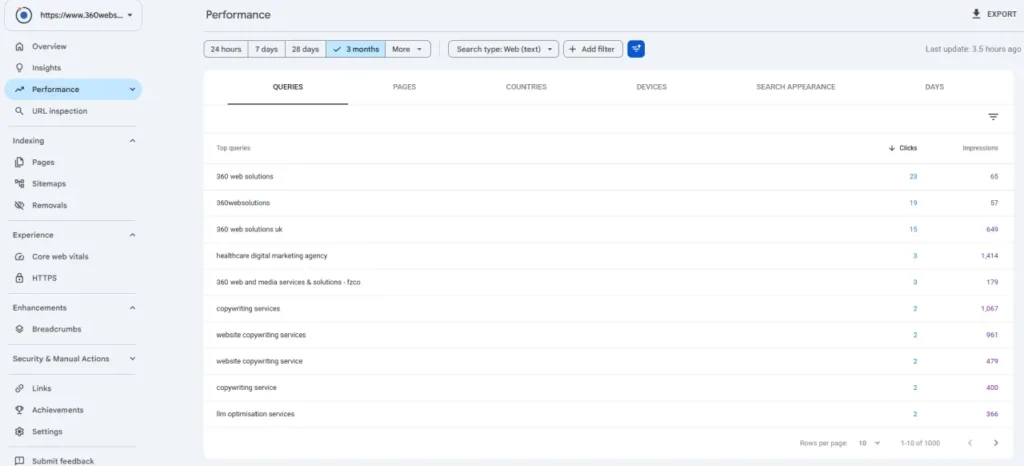
| Search Impressions | Rising impressions and new queries |
| Keyword Rankings | Keywords moving towards page one |
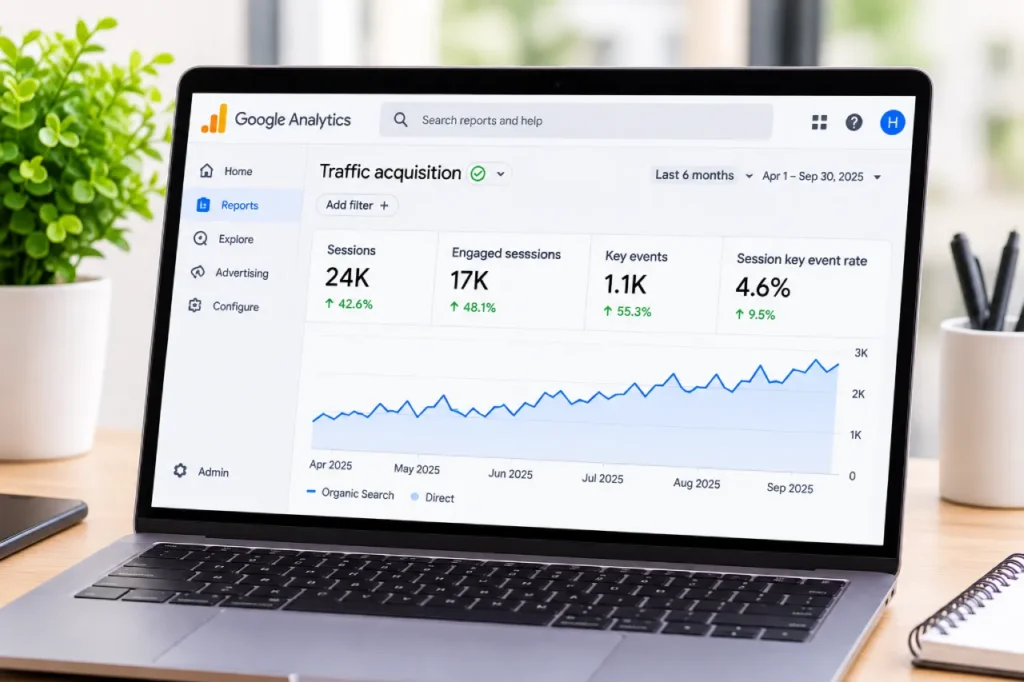
| Organic Traffic | More clicks from new audiences |
| Leads and Conversions | More calls, forms and quality leads |
Get a Realistic SEO Timeline for Your Website
SEO is about patience, but it must never imply guesswork. Proper auditing applied with suitable priority setting and authentic reporting you will know at every stage what is working and what comes next. Rankings, traffic, and leads then follow in a sequence you can measure.
By day 90, you should know
- Which technical problems have been resolved and what still needs to be addressed
- Which pages are crucial to work on and for what reason
- What the coming phase will contain
Traffic may still be modest by then, but the direction should be clear.
| Ready to see where your site stands? Request a free website audit, and we will show you the gaps. |
Frequently Asked Questions
01 Is an SEO score of 92 good?
Yes, a score of 92 sits in the strong range for most SEO tools. This typically means your on-page SEO is in a good place. Scores do not factor in external ranking factors such as your competition, the quality and quantity of your backlinks. Success should be measured by increases in page rankings and impressions and growth in sales.
02 Is SEO still relevant in 2026?
Yes, because people search to find services and make comparisons daily to determine which services best suit their needs. Search results might have different appearances, but a well-designed, useful page will always gain prominence. Google rewards quality and authority over search engine manipulation.
03 How long does SEO take to work for a new website?
A new website sees results within one to three months, with more consistent results after 6 to 12 months. It takes time for new domains and web pages to be fully indexed by Google and for Google to start to trust a site. Therefore, targeting long-tail keywords that have less competition will lead to faster results in the early stages of a new site.
04 What is the 80/20 rule in SEO?
The 80/20 rule states that the bulk of your organic search success is attributed to 20 percent of your assets, pages, keywords, and work. There are a small handful of blog posts and service pages that end up responsible for most of the site traffic and conversions. Find and prioritize those pages. Don’t spend equal time on all of them.