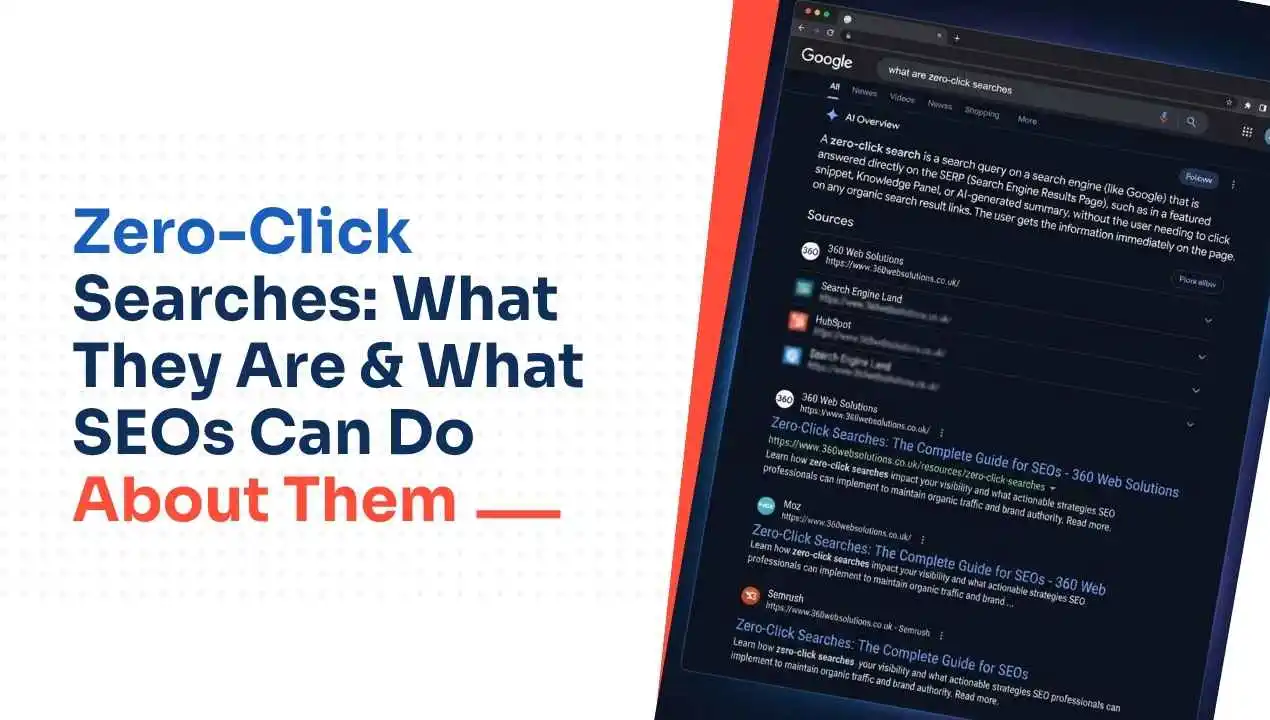
Zero-Click Searches: What They Are & What SEOs Can Do About Them
Google’s blue links were considered the metric of SEO success in the last decade, but not anymore. Now, users find answers to their queries without clicking a single result. That pattern had the marketers thinking: Are zero-click searches the death of the blue links? It may seem this way: the rankings are stable, impressions are increasing, but there are no website clicks.
Is it really over for blue links, or is Google simply redefining the role in search? Recent zero-click search statistics show that users are getting answers directly on the SERP rather than visiting websites. The data is transforming how users find information, and also how businesses measure SEO success. In this guide, we’ll separate the myth from the reality and explain what zero-click searches mean for your visibility, traffic, and future strategy.
What are Zero-Click Searches BTW?
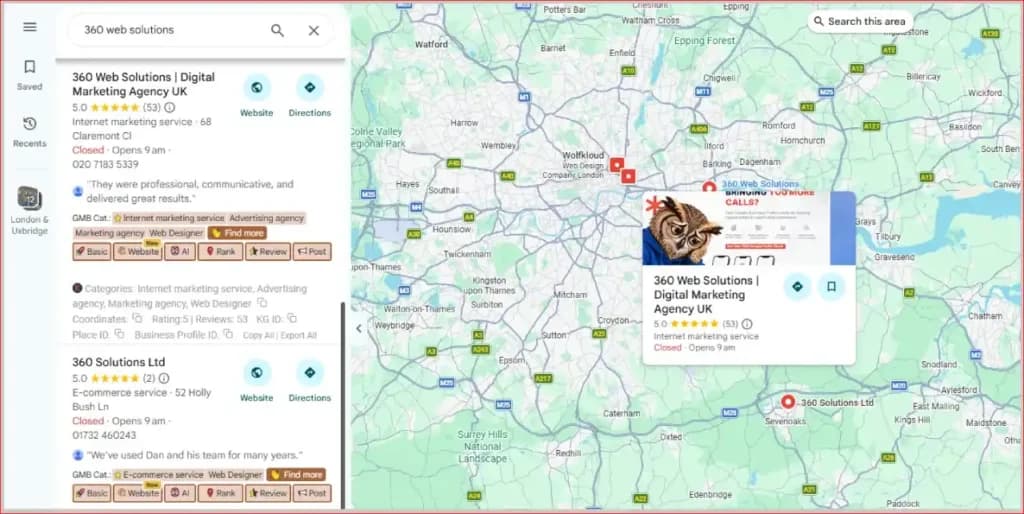
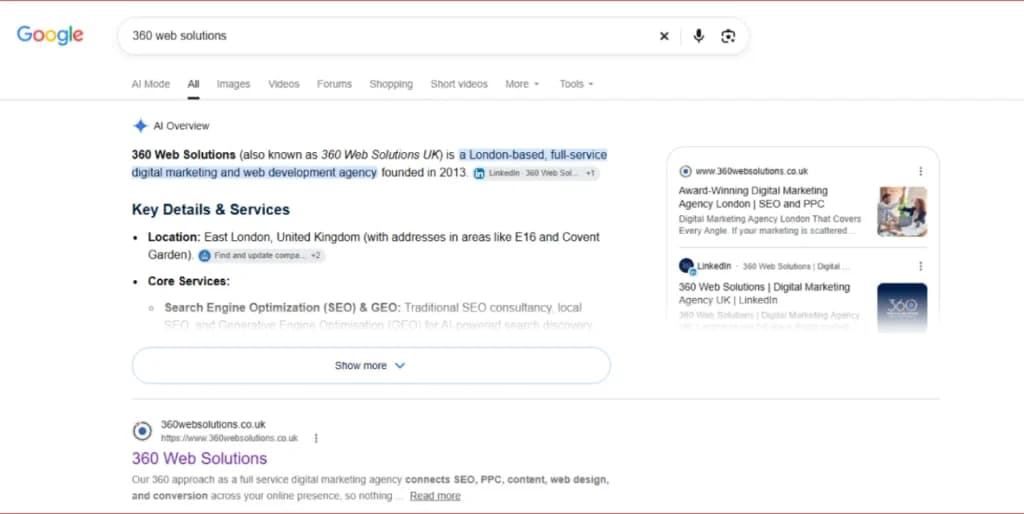
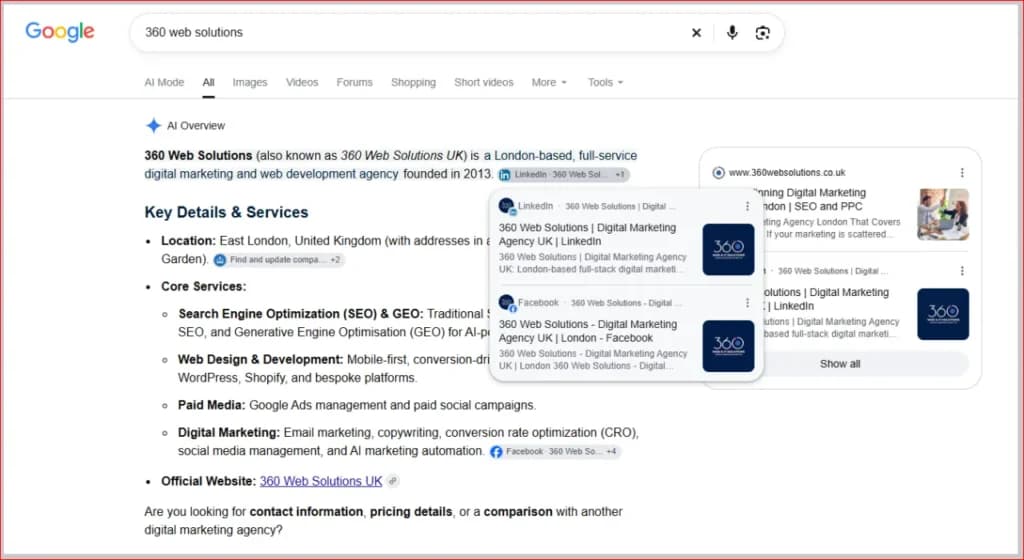
Zero-click search is when a user types a query into Google and gets their answer directly on the SERP without clicking on any website. Google shows the answer through AI Overviews, featured snippets, knowledge panels, local map packs, or built-in utilities like weather widgets and calculators. User’s intent is satisfied before they ever leave the SERP. The concept is not new; Google has been serving instant answers since the early days of Knowledge Graph and featured snippets.
What Does a Zero-Click Search Look Like?
Some searches are almost always ended without a click, while others may get one. The pattern you need to note here is that queries with a single question with a definite answer are vulnerable to zero-click. Queries where the user needs to evaluate, compare, or make a purchase still drive clicks, because Google can’t fully resolve that intent. These are some common zero-click search examples users encounter every day.
| Search Query | What Shows Up | Result |
| “Weather in London today” | Weather widget | zero-click |
| “What is schema markup” | AI Overview | zero-click |
| “Best CRM software” | Shopping/comparison panel | zero-click |
| “Nike shoes buy online” | Product listings | Click likely |
| “SEO agency London” | Local map pack | Often zero clicks |
| “How to file taxes in the UK” | Long how-to guide | Click likely |
How Common are Zero-Click Searches?
The percentage of zero-click searches has increased steadily over the past few years. SparkToro has tracked this trend for more than a decade, and here are the numbers that will surprise you:
- 2019: ~50% of Google searches ended without a click
- 2024: 58.5% of US searches and 59.7% of EU searches
- Early 2026: 68% of Google searches end without a click
The above statistics clearly state that only one in three Google searches sends the user to any website. Figures are even higher on mobile searches than on desktop.
Why are Zero-Click Searches Increasing?
The rise of zero-click search is due to the complete answers Google provides on the search engine result page (SERP) for a targeted query. Google’s primary focus to keep a user within its ecosystem has reduced the click-through rates of websites. The three key factors driving this trend are:
AI Overviews
According to Semrush, Google AI summaries now appear for 15-16% of all queries. The featured snippets pulled a single extract from one page, while the zero-click search AI Overviews synthesise information from multiple sources into one complete response. When the user’s query is satisfied with that kind of answer, there is no reason left to click.
Rich SERP Features
Featured snippets, People Also Ask boxes, local packs, shopping panels, and built-in calculators have been pulling users away from blue links for the last decade. AI Overviews have only accelerated what the modernists call the death of blue links.
Google’s Own Incentive
Google generates more ad revenue as the user asks more questions, and the number of queries is increasing after every AI answer. Zero-click was intended to work this way; you cannot brush it off as a side effect of Google’s product decisions.
What types of Searches are most Likely Zero-Click?
Not every search query ends without a click; here is a quick comparison for you:
Almost Zero-Click Queries
These queries are usually answered directly on the SERP:
- Direct facts (e.g., population of Japan)
- Currency conversions and calculations (e.g., $100 to GBP)
- Weather forecasts
- Sports scores and live results
- Entity lookups (people, brands, places)
- Basic health definitions (e.g., symptoms of anaemia)
Queries that Often are Zero-Click
These searches frequently trigger AI Overviews or featured snippets:
- Definition-style queries (e.g., what is bounce rate)
- Simple how-to questions
- Basic comparison searches (e.g., iPhone vs Android)
- Local intent searches (e.g., coffee shop near me)
Queries Less Likely to be Zero-Click
These queries usually require users to visit websites before making a decision:
- Transactional searches (e.g., buy project management software)
- In-depth research queries (e.g., best content strategy for B2B SaaS)
- Branded navigational searches (e.g., Semrush pricing)
- High-intent buying and product comparison queries
Key takeaway: If your content answers a single, straightforward question, Google can often satisfy that need directly on the results page. Content that offers unique value, like detailed comparisons, case studies, templates, tools, or original insights, is far less likely to lose traffic to zero-click searches.
What Zero-Click Searches Mean for Your SEO Traffic?
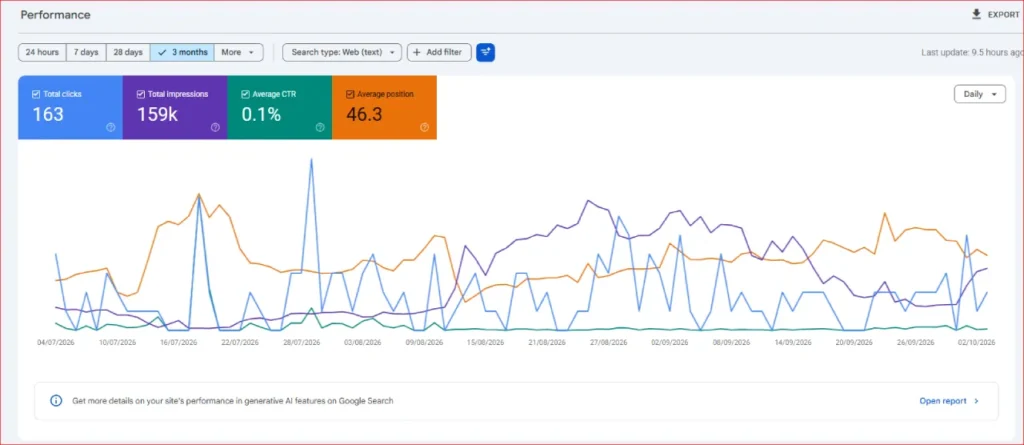
The biggest zero-click search traffic impact is declining organic clicks despite stable rankings and growing impressions. Websites may be receiving fewer clicks for informational queries, but the cited brands are gaining trust. The shift here is to gain more qualified leads that are likely to convert, rather than just increasing website traffic. Let me give you a clearer picture:
Zero-Click Impact
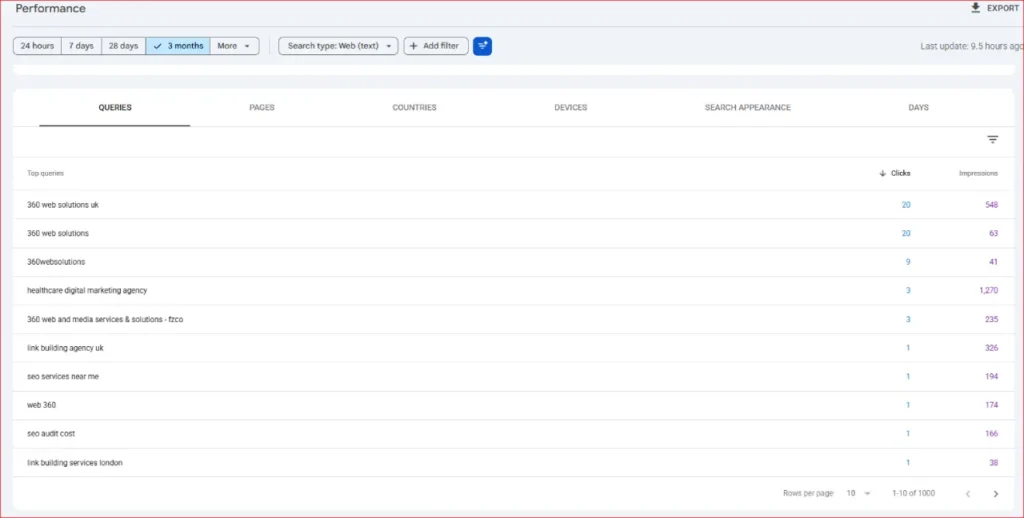
If your site relies heavily on traffic from definition-style or simple how-to content, you’ll see impressions rising in Search Console while clicks and CTR quietly decline. Bain & Company estimated in 2025 that zero-click behaviour has reduced organic web traffic by 15-25% for many publishers.
Real Search Metrics
Google search volumes are not declining, which means users are asking more queries than ever. According to Datos, in Q3 2025, Google alone accounted for 95% of all desktop queries, proving that search is happening; the traffic just is not reaching sites. The problem is not SEO, but a deeper layer of it can solve that impact.
One thing worth noticing here is that the visitors who do click through after the AI Overview or featured snippet tend to be more qualified. The user here has seen the summary of the answer, but still chose to visit, which implies their deep intent. Ahrefs found that AI search visitors converted 23x the rate of organic visitors on its own website. While AI referrals represented just 0.5% of traffic, they generated 12.1% of signups, suggesting that AI-referred visitors have stronger purchase intent.
Does zero-click Mean Zero Value? (The Myth Worth Busting)
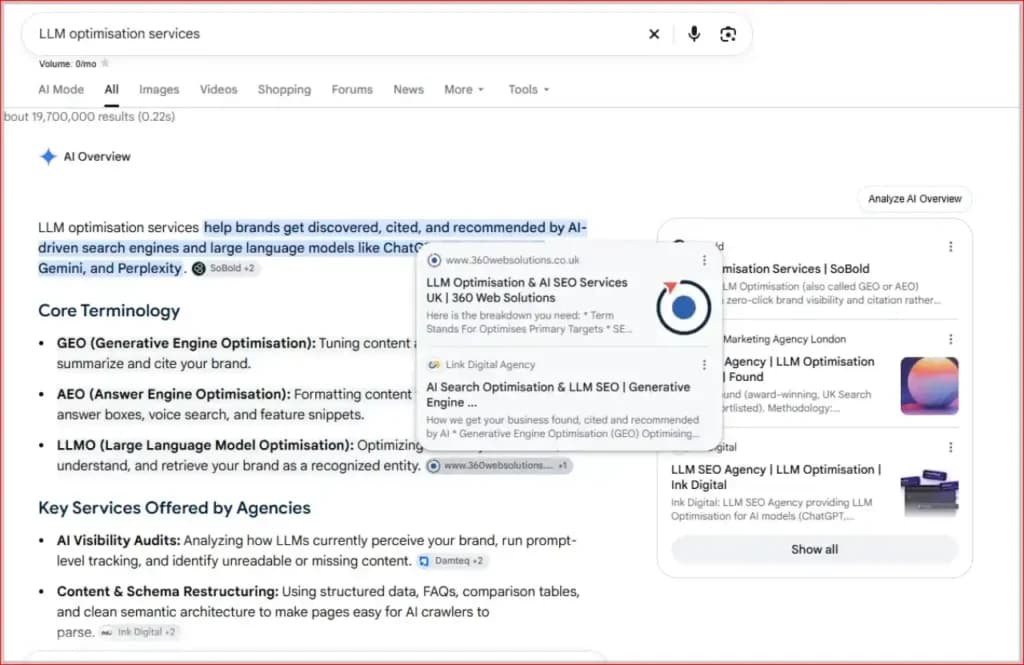
A common myth is that zero-click means zero influence. The truth is, if you utilise the zero-click search opportunity well, your brand will gain visibility as well as authority. When your content is cited in an AI Overview, your brand appears in front of users, asking the right question at the right moment. The user might not click then, but your name stays with them.
Zero-click exposure shapes brand recognition and trust that cannot be measured with sessions. SparkToro calls this “zero-click Marketing”; it earns you influence and growing brand awareness without requiring a visit to your website. The shift here is how you measure success; you cannot measure it in the traditional SEO metrics like traffic. Rankings still matter; you just need to evolve what you are optimising for. AI Overviews draw heavily from content that performs well in organic search.
The old SEO metrics have their new equivalent in AI search:
| Old Metric | New Equivalent |
| Click-through rate | AI citation rate / SERP feature share |
| Organic sessions | Brand mention rate in AI answers |
| Ranking position | Entity association strength |
Conclusion
Zero-click searches do not mean the death of the blue links or SEO; they represent a major shift in how people discover information online. As Google is answering more questions directly on the SERP, only genuinely helpful content continues to attract visitors.
Being savvy in how to optimise for zero-click searches is now an essential part of modern SEO. The focus should be on becoming the source that Google and AI systems choose to refer to. Businesses that adapt their content strategy to this new reality will not only remain visible in search results but also strengthen their brand presence across both traditional search and AI-powered experiences.